
Anatomy
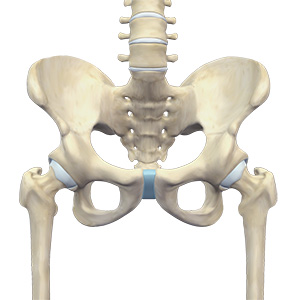
The hip joint is the largest weight-bearing joint in the human body. It is also referred to as a ball and socket joint and is surrounded by muscles, ligaments, and tendons. The thigh bone or femur and the pelvis join to form the hip joint. Any injury or disease of the hip will adversely affect the joint's range of motion and ability to bear weight.
Conditions
- Hip Injury
- Hip Labral Tear
- Hip Fracture
- Hip Ligament Injuries
- Hip Pain
- Hip Instability
- Stress Fractures of the Hip
- Femoral Neck Fracture
- Femoroacetabular Impingement
- Hip Dislocation
- Gluteus Tendon Tear
- Hip Muscle Strain
- Hip Bursitis
- Gluteus Medius Tear
- Irritable Hip
- Femur Fracture
- Hip Abductor Tears
- Proximal Femoral Fracture
- Avascular Necrosis
- Ischial Bursitis
- Femoral Subchondral Cysts
Procedures
- Hip Arthroscopy
- Hip Preservation Surgery
- Hip Fracture Surgery
- Robotic Assisted Hip Replacement
- Hip Surgery
- Hip Labral Repair
- Hip Reconstruction
- Outpatient Robotic Hip Replacement
- Minimally Invasive Total Hip Replacement
- Posterior Hip Replacement
- Primary Hip Replacement
- Same Day Hip Replacement
- Open Gluteus Medius Repair
- Femoroacetabular Osteoplasty
- Hip Cartilage Repair
- Arthroscopic Gluteus Medius Tendon Repair
- Proximal Hamstring Repair
- Femoral Nails
- Nonsurgical Hip Treatments
- Ultrasound Guided Hip Injections
- Physical Therapy for Hip
- Platelet Rich Plasma (PRP) Injections for the Hip
- Stem Cell Therapy for Hip Injuries